The Astonishing Spark of Life: Does Conception Begin with a Flash of Light?
What if the moment life begins is marked by an actual flash of light? It sounds like something out of science fiction, but recent discoveries suggest this might not be far from the...

Fredericksburg · Community Photo
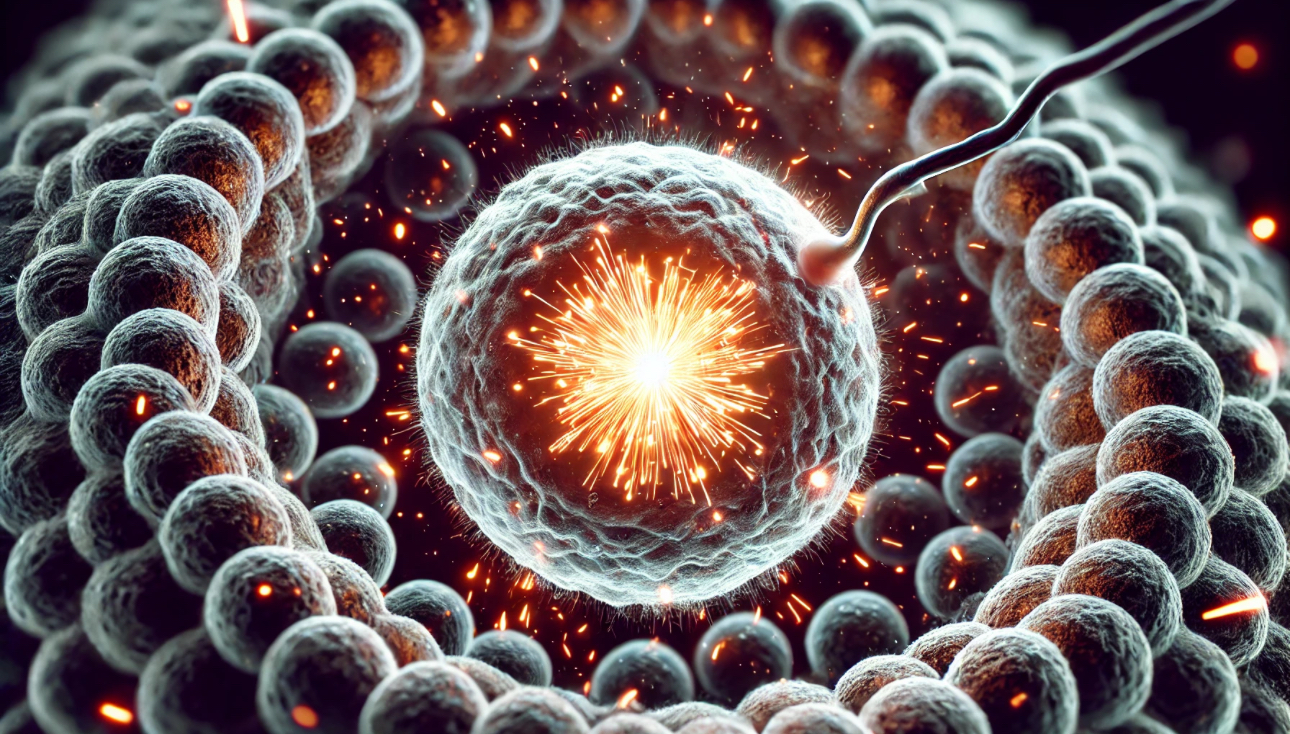
What if the moment life begins is marked by an actual flash of light? It sounds like something out of science fiction, but recent discoveries suggest this might not be far from the truth. Scientists have found that at the exact moment of fertilization, a burst of light—dubbed the "zinc spark"—illuminates the microscopic world of conception. This breathtaking revelation has sparked debates across scientific, philosophical, and spiritual communities, providing new insight into one of humanity’s most fundamental questions: When does life begin?
The Science Behind the Spark
Recent research has confirmed that when a sperm cell fuses with an egg, a remarkable explosion of light occurs. This event is the result of zinc ion release, a vital process that helps initiate early embryonic development.The Zinc Spark: A Physical Sign of Life's Beginning
Scientists at Northwestern University uncovered that, during fertilization, massive amounts of zinc are expelled from the egg, causing tiny flashes of fluorescence. This luminous reaction:- Activates the egg for embryonic development.
- Indicates the health and viability of the fertilized egg.
- Acts as a potential biomarker for successful fertilization in reproductive medicine.
A Philosophical Perspective
Philosophers have long debated the beginning of life. Aristotle introduced the idea of ensoulment, suggesting that the soul enters the body at different stages of development. Modern debates continue over whether life begins at conception, viability, or birth. From a metaphysical standpoint, the zinc spark can be seen as an undeniable marker of transformation. In an instant, two separate biological entities—sperm and egg—merge to create something entirely new: a human embryo with its own unique DNA. This revelation raises ethical questions about the sanctity of life and the significance of the moment of conception.The Spiritual and Biblical View
For those with religious beliefs, the discovery of the zinc spark reinforces theological perspectives on life’s sacred beginnings. Many faith traditions teach that human life is divinely created, and this new scientific discovery appears to validate that notion in an extraordinary way.Biblical Evidence for Life at Conception
Several Bible verses affirm that human life is ordained by God from the moment of conception:- Jeremiah 1:5 – "Before I formed you in the womb, I knew you, before you were born I set you apart."
- Psalm 139:13-14 – "For you created my inmost being; you knit me together in my mother’s womb. I praise you because I am fearfully and wonderfully made."
- Job 33:4 – "The Spirit of God has made me; the breath of the Almighty gives me life."
The Light of Creation and the Divine Spark
The theme of light as a divine force is prevalent throughout scripture:- Genesis 1:3 – "And God said, ‘Let there be light,’ and there was light."
- John 1:4 – "In him was life, and that life was the light of all mankind."